South Africa’s River Cleanup Shows the Power—and Limits—of Local Climate Solutions
Source contextA South African project is filtering polluted river water with natural materials and using some of it for community gardens.Climate policy can become so large that it loses contact with the household. A local South African project that filters polluted water with natural…
Source context
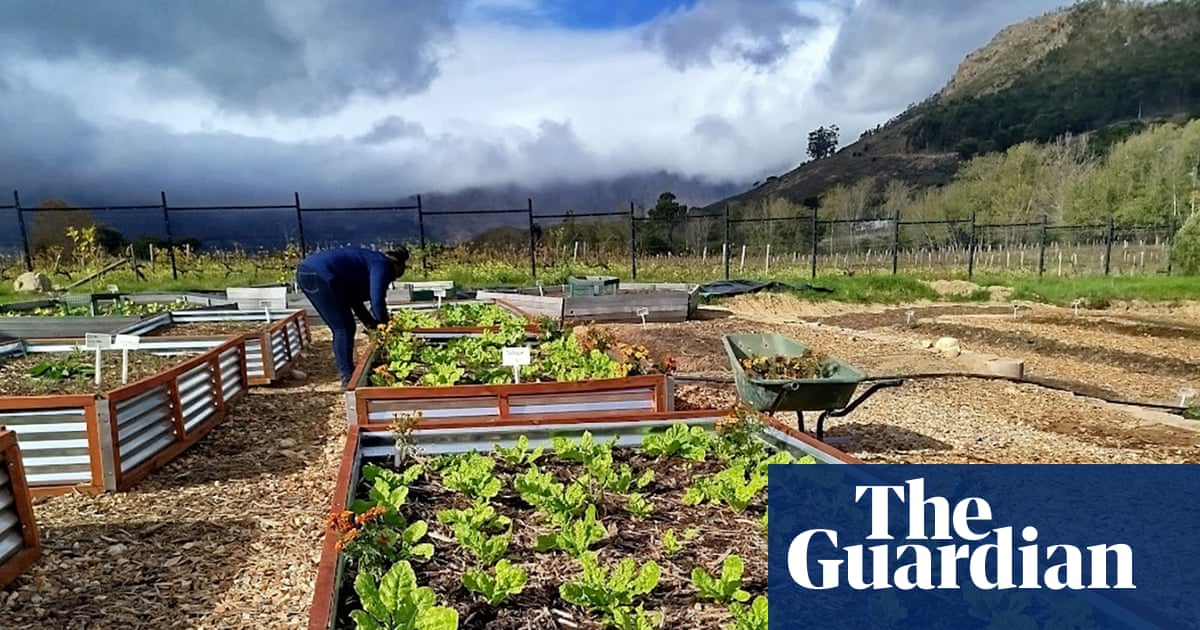
A South African project is filtering polluted river water with natural materials and using some of it for community gardens.
Climate policy can become so large that it loses contact with the household. A local South African project that filters polluted water with natural materials and routes some of the treated water toward food production brings the problem back down to scale: cleaner water, healthier soil and a resource people can use.
The project is compelling because it blends engineering with local conditions rather than waiting for a single massive infrastructure solution. That can be especially valuable in communities where formal systems are delayed, underfunded or unable to keep pace with environmental damage.
The danger is that successful community projects can become excuses for governments to retreat. Innovation should demonstrate what deserves public investment, not shift permanent responsibility onto residents and nonprofit partners.
The strongest climate solutions are often the ones people can point to. A cleaner river does not solve a country’s infrastructure problems, but it can prove that adaptation is more than a conference promise.
More from The Soul
South Africa’s River Cleanup Shows the Power—and Limits—of Local Climate Solutions
Source contextA South African project is filtering polluted river water with natural materials and using some of it for community gardens.Climate policy can become…
Read story