The Gullah Geechee Story Is Bigger Than the Myth of Isolation
Source contextNew scholarship challenges the idea that Gullah Geechee culture survived only because communities were isolated.The familiar story of Gullah Geechee culture often credits geographic isolation for preserving African language, foodways and traditions along the southeastern coast. New scholarship complicates that explanation by emphasizing…
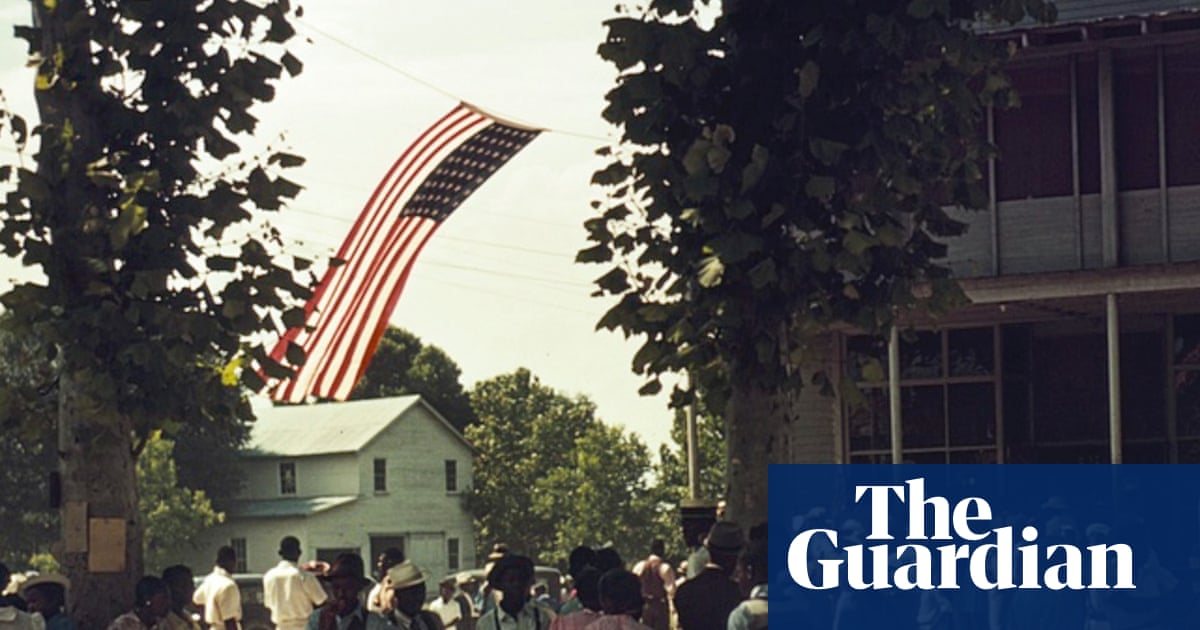
Source context
New scholarship challenges the idea that Gullah Geechee culture survived only because communities were isolated.
The familiar story of Gullah Geechee culture often credits geographic isolation for preserving African language, foodways and traditions along the southeastern coast. New scholarship complicates that explanation by emphasizing movement, exchange and active cultural choices rather than treating preservation as an accident of being cut off.
That distinction matters because “isolation” can make a community sound frozen outside modern life. Gullah Geechee people traded, traveled, worked and interacted with surrounding communities while still maintaining distinct practices. Culture can survive through contact when people deliberately carry it forward.
The revised framing also gives more agency to the people doing the preserving. Traditions did not simply remain because outside influence failed to reach them. Families taught language, prepared food, maintained kinship and adapted practices across generations.
Black history becomes richer when survival is understood as an active process. Preservation is not always a wall around culture. Sometimes it is the ability to move through the world without surrendering what you know is yours.
More from The Soul
A Parking Lot Can Still Be Sacred Ground
Source contextA Queens church is pushing to preserve a burial ground tied to early free Black New Yorkers.American history is often discussed as if…
Read story
A Parking Lot Can Still Be Sacred Ground
Source contextA Queens church is pushing to preserve a burial ground tied to early free Black New Yorkers.American history is often discussed as if…
Read story
A Parking Lot Can Still Be Sacred Ground
Source contextA Queens church is pushing to preserve a burial ground tied to early free Black New Yorkers.American history is often discussed as if…
Read story