When Donor Priorities Change, Women’s Healthcare Cannot Simply Disappear
Source contextSweden’s withdrawal of direct aid from Liberia is expected to hit women’s health and rights programs.International aid can feel distant until a donor changes policy and a clinic has fewer contraceptives, a community program loses staff or a violence-prevention service no longer knows…

Source context
Sweden’s withdrawal of direct aid from Liberia is expected to hit women’s health and rights programs.
International aid can feel distant until a donor changes policy and a clinic has fewer contraceptives, a community program loses staff or a violence-prevention service no longer knows how it will stay open. Liberia’s exposure to Sweden’s aid withdrawal shows how quickly diplomatic and budget decisions become intimate healthcare problems.
The long-term answer cannot be permanent dependence on another country’s politics. Health systems need domestic financing, stable tax revenue and regional capacity. But “self-sufficiency” is not a switch a lower-income country can flip the moment a wealthy donor changes priorities, especially when global debt and trade rules already constrain public budgets.
Women’s services are too often treated as flexible spending during transitions. Reproductive health, maternal care and gender-based-violence programs are infrastructure. Removing them does not eliminate the need; it transfers the cost to households and to women’s bodies.
A responsible exit from aid requires a bridge, not a cliff. The people who did not make the funding decision should not be the ones forced to absorb it overnight.
More from The Soul
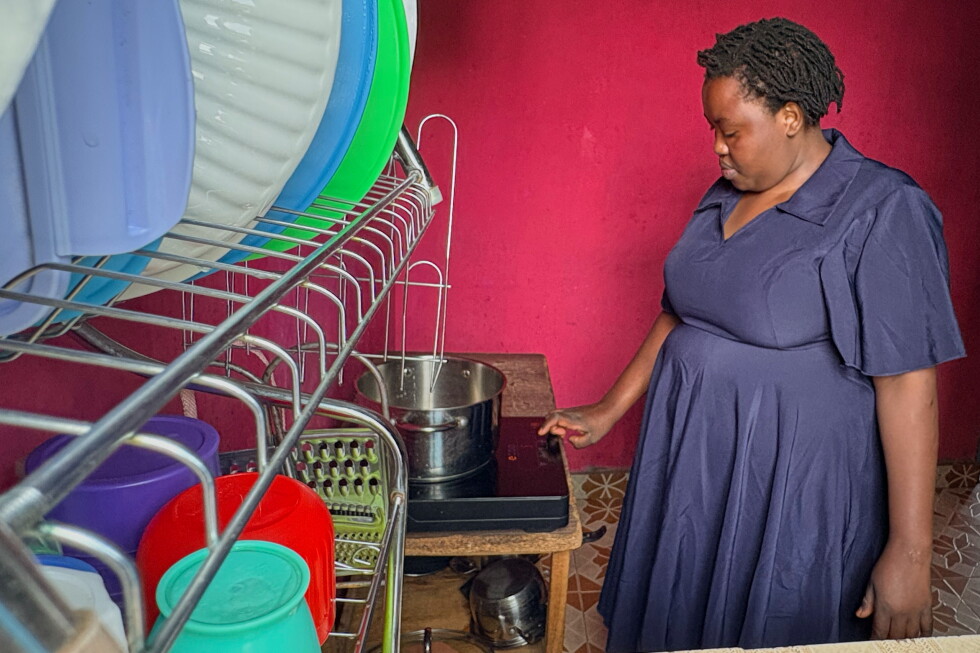
Clean Cooking Is a Women’s Health Intervention Disguised as an Energy Story
Source contextCleaner stoves are reducing smoke exposure and fuel burdens for some African households.The phrase “clean cooking transition” sounds like energy policy. In millions…
Read story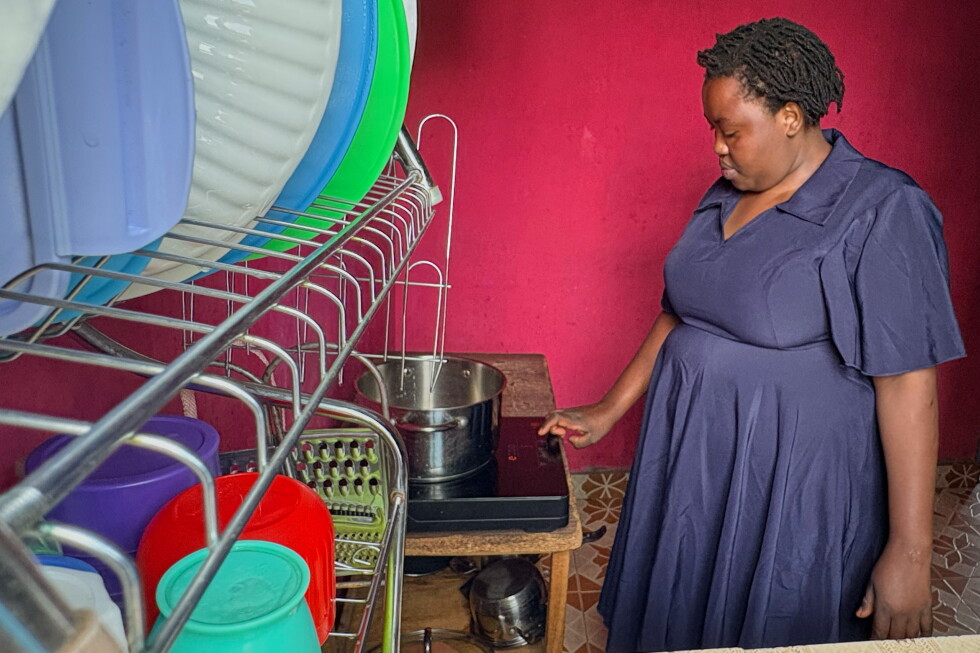
Clean Cooking Is a Women’s Health Intervention Disguised as an Energy Story
Source contextCleaner stoves are reducing smoke exposure and fuel burdens for some African households.The phrase “clean cooking transition” sounds like energy policy. In millions…
Read story
Congo’s Ebola Outbreak Is a Test of Whether Global Health Can Pay Attention Before Panic Spreads
Source contextThe WHO is calling for a larger response to the Ebola outbreak in the Democratic Republic of Congo.Ebola coverage often becomes international news…
Read story