Getting Out of a War Zone Is Not the Same as Reaching Safety
Source contextSudanese women displaced to Egypt are facing exploitation amid poverty, legal barriers and shrinking aid.Refugee systems are often judged at the border: was a person admitted, registered or allowed to remain? For women fleeing Sudan’s war, the next question is whether life after…
Source context
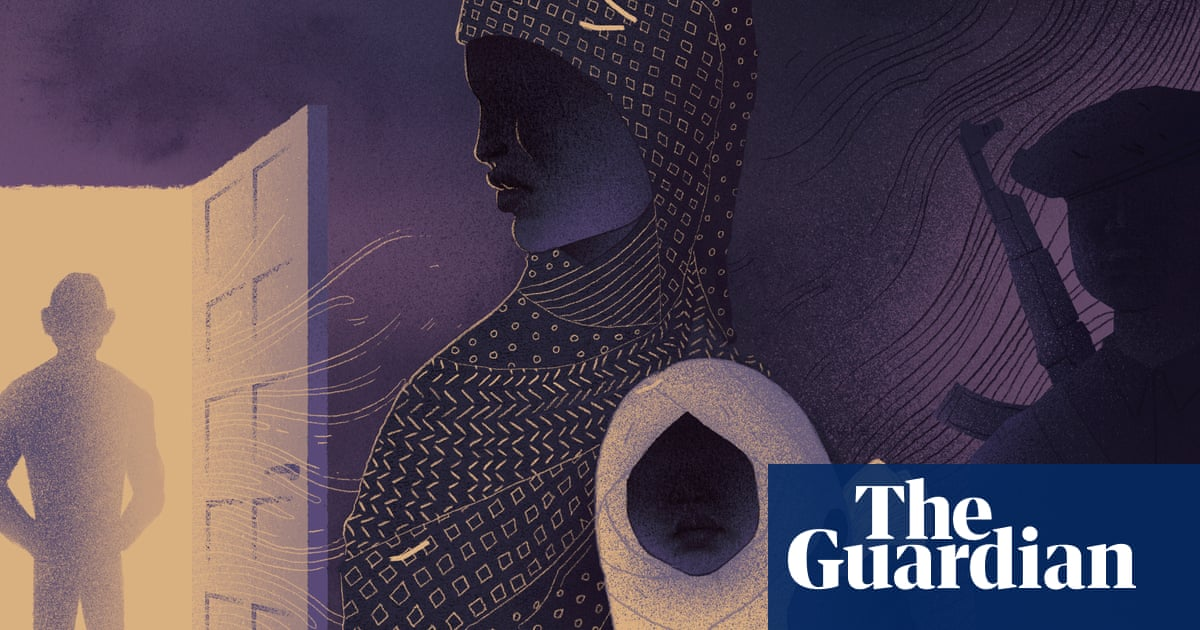
Sudanese women displaced to Egypt are facing exploitation amid poverty, legal barriers and shrinking aid.
Refugee systems are often judged at the border: was a person admitted, registered or allowed to remain? For women fleeing Sudan’s war, the next question is whether life after the border is safe enough to survive without exploitation. Housing, legal work, documentation and humanitarian support determine the answer.
When those pathways collapse, “choice” can become a misleading word. A woman may technically agree to dangerous or exploitative work while facing alternatives that are even worse. That is why anti-trafficking policy cannot be separated from labor rights, legal status, housing and income support.
The crisis also shows how aid cuts travel through gender. Women caring for children or relatives often have less mobility and fewer ways to absorb a financial shock. Sexual exploitation can then create additional health risks, stigma and fear of authorities.
Safety should not mean merely surviving the journey out of Sudan. A humane refugee system has to create enough legal and economic room for a person to rebuild a life without survival itself becoming leverage against her.
More from The Soul
Getting Out of a War Zone Is Not the Same as Reaching Safety
Source contextSudanese women displaced to Egypt are facing exploitation amid poverty, legal barriers and shrinking aid.Refugee systems are often judged at the border: was…
Read story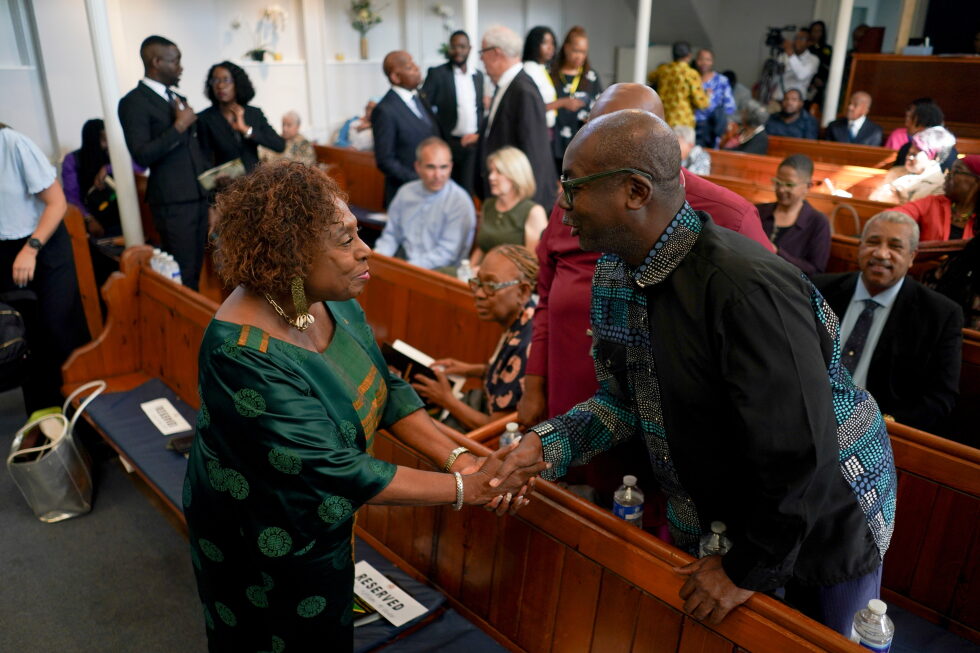
Jamaica Is Asking What Comes After an Apology for Slavery
Source contextJamaica is taking its reparations campaign toward a legal question involving Britain and the Privy Council.Reparations debates often become trapped between two positions:…
Read story