Jamaica Is Asking What Comes After an Apology for Slavery
Source contextJamaica is taking its reparations campaign toward a legal question involving Britain and the Privy Council.Reparations debates often become trapped between two positions: a moral acknowledgment that slavery was wrong and a political insistence that nothing material can be done about it now.…
Source context
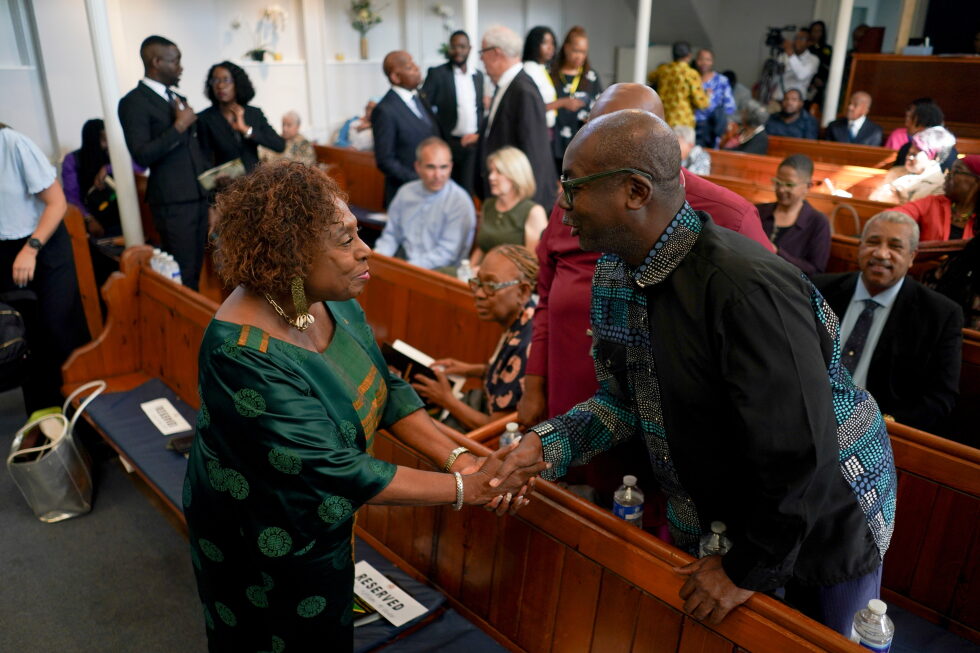
Jamaica is taking its reparations campaign toward a legal question involving Britain and the Privy Council.
Reparations debates often become trapped between two positions: a moral acknowledgment that slavery was wrong and a political insistence that nothing material can be done about it now. Jamaica’s effort to push the issue into a legal forum is important because it refuses that comfortable middle ground.
The question is not simply whether a court will order Britain to pay a particular sum. Legal proceedings can force institutions to define responsibility, confront records and explain why benefits inherited from empire can remain relevant while obligations are treated as expired.
For Black Americans, Caribbean reparations movements are not interchangeable with our own claims, which arise from a distinct national history of slavery, Jim Crow, land theft and discrimination. But the movements can still learn from one another about evidence, valuation, political strategy and the difference between apology and repair.
The most consequential part of Jamaica’s move may be the insistence that history is not finished merely because the people who committed the original acts are dead. Institutions live longer than individuals. So can their advantages.
More from The Soul
Getting Out of a War Zone Is Not the Same as Reaching Safety
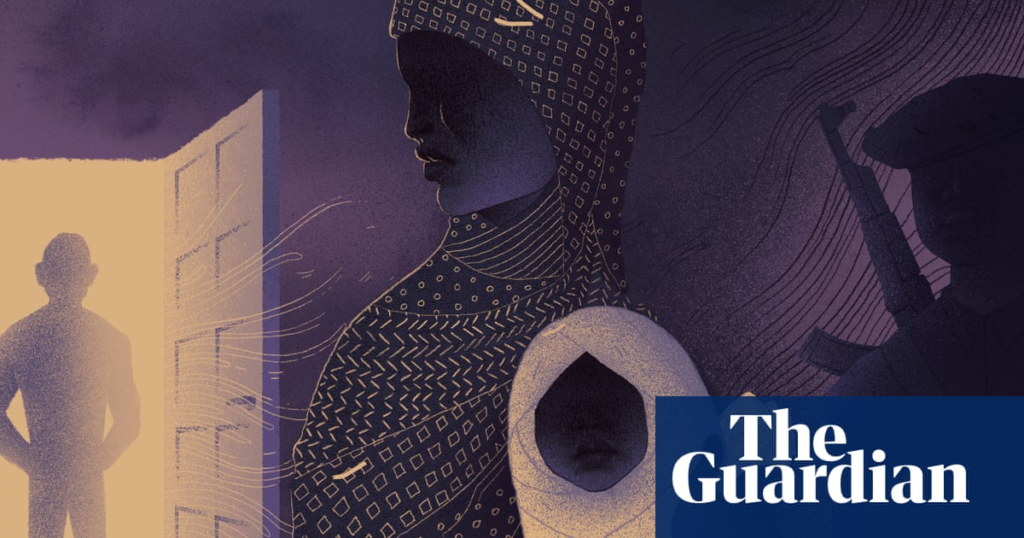
Source contextSudanese women displaced to Egypt are facing exploitation amid poverty, legal barriers and shrinking aid.Refugee systems are often judged at the border: was…
Read story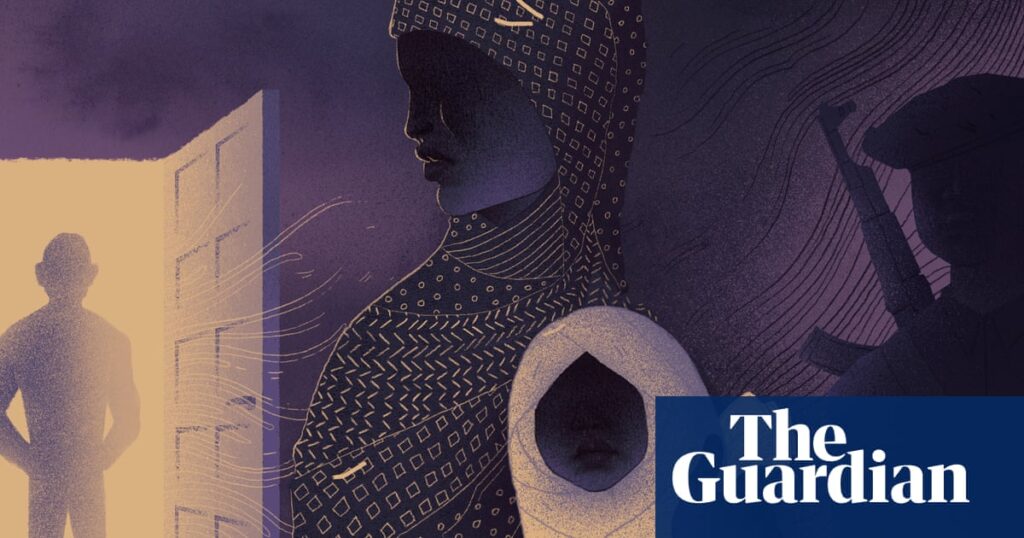
Getting Out of a War Zone Is Not the Same as Reaching Safety
Source contextSudanese women displaced to Egypt are facing exploitation amid poverty, legal barriers and shrinking aid.Refugee systems are often judged at the border: was…
Read story